
Introduction
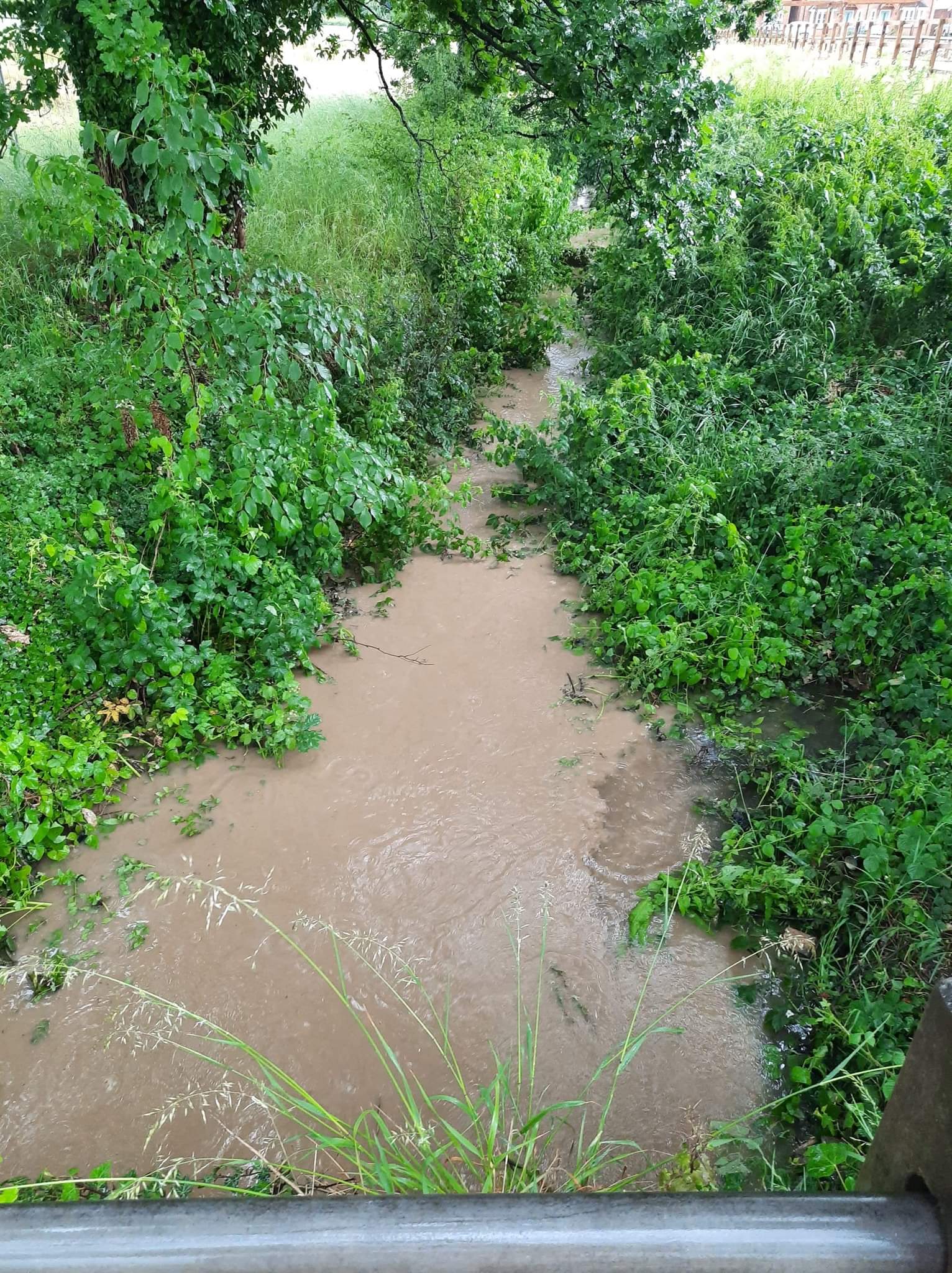
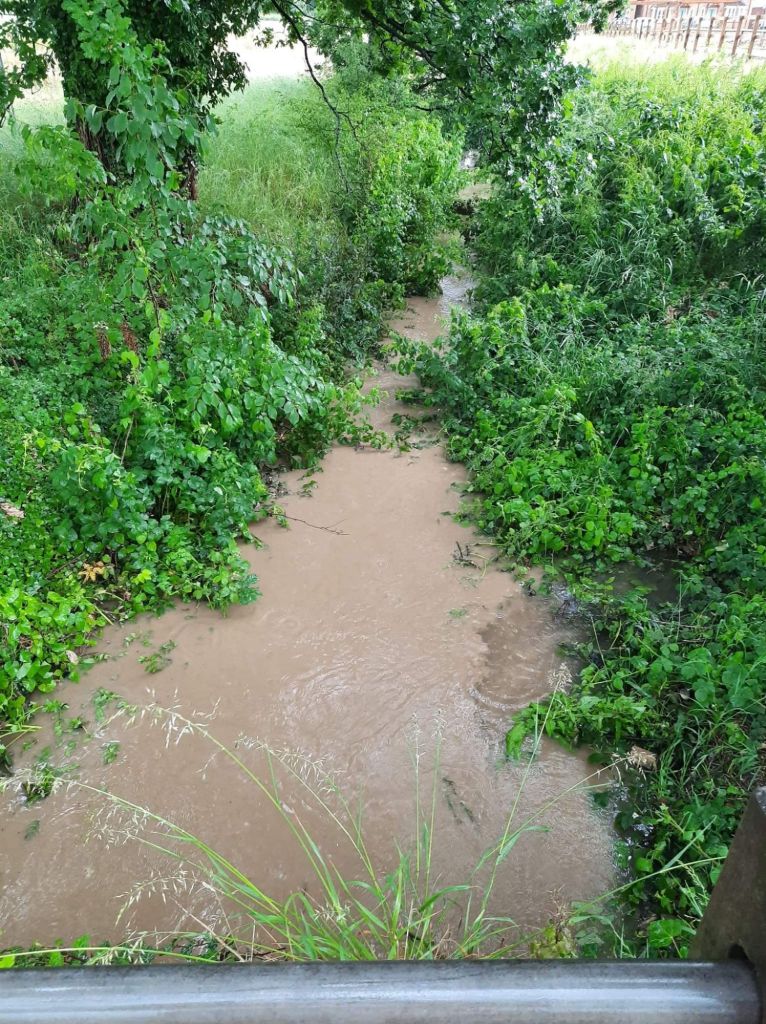
Watercourses, such as rivers, brooks, streams, culverts, and roadside ditches, play a crucial role in managing surface water, preventing flooding, and enhancing wildlife habitats. Whether they contain water all year round or only occasionally, maintaining these watercourses is essential for property owners. This article outlines the rights and responsibilities of riparian owners in Nottinghamshire, ensuring the proper care and management of watercourses on or next to their property.
What is Riparian Ownership?
Riparian ownership refers to the legal responsibility of property owners to manage any watercourse running through, underneath, or adjacent to their land. This includes maintaining the structural and environmental integrity of the watercourse.
Responsibilities of a Riparian Owner
As a riparian owner, you have several key duties:
- Maintain Structures: Keep any structures you own, such as culverts and trash screen weirs, free from debris to ensure unobstructed water flow.
- Bed and Banks Maintenance: Regularly maintain the bed and banks of the watercourse, including controlling shrubs and trees.
- Debris Removal: Clear away debris from the watercourse, regardless of its origin.
- Water Flow Management: Ensure water flows freely through your section of the watercourse without obstruction, pollution, or diversion.
- Respect Neighbouring Properties: Avoid actions that could negatively impact your downstream neighbour, thus ensuring your upstream neighbour adheres to the same standard.
Common Issues Affecting Watercourses
Several common problems can impair the functionality of watercourses:
- Blockages from Inadequate Culverts: Installing culverts or pipes that are too small can create blockages.
- Neglecting Trash Screens: Failing to keep culverts, pipes, and trash screens clear can obstruct water flow.
- Silt Build-up: Allowing silt to accumulate can reduce the watercourse’s capacity and lead to blockages.
- Overgrown Vegetation: Not keeping vegetation under control can impede water flow and contribute to blockages.
- Improper Waste Disposal: Disposing of garden waste and domestic rubbish on the banks or in the watercourse can cause significant blockages and pollution.
Consequences of Neglect
If you fail to undertake your riparian responsibilities, Nottinghamshire County Council may require you to perform necessary work within a specified timeframe. Failure to comply can lead to legal action under the Land Drainage Act 1991. Additionally, obstructions in roadside ditches causing road flooding can result in legal actions by the Highway Authority.
Making Changes to a Watercourse
Before making any changes to a watercourse, such as altering its structure or flow, you must obtain the appropriate consents and permits from the relevant authorities. Detailed information on the application process can be found on the Nottinghamshire County Council website.
Key Contacts and Resources
For further assistance and information, contact the following organisations:
- Nottinghamshire County Council: Responsible for managing flood risk from surface water, groundwater, and smaller watercourses.
- Email: flood.team@nottscc.gov.uk
- Website: Nottinghamshire County Council
- Phone: 0300 500 80 80
- Environment Agency: Manages the risk of flooding from main rivers, reservoirs, estuaries, and the sea.
- Email: enquiries@environment-agency.gov.uk
- Phone: 03708 506 506
- Via East Midlands: Manages the highway network, including gullies, bridges, and culverts within the highway (excluding roadside ditches).
- Website: Via East Midlands
- Phone: 0300 500 80 80
- Internal Drainage Boards: Manage select watercourses and pumping stations in low-lying areas.
- Trent Valley Internal Drainage Board:
- Email: info@tvidb.co.uk
- Phone: 01636 704371
- Isle of Axholme and North Nottinghamshire Water Level Management Board:
- Email: enquiries@lmdb.co.uk
- Severn Trent Water: Owns and maintains the public sewage system.
- Website: Severn Trent Water
For comprehensive guidelines on owning a watercourse, visit: GOV.UK Owning a Watercourse
By adhering to these responsibilities and maintaining open communication with the relevant authorities, riparian owners can effectively manage their watercourses, contributing to flood prevention and environmental conservation.
 Independent Councillor Richard MacRae